

The Zero-Knowledge Encryption Paradox: What They Don't Tell You
By 'zero knowledge' here, I mean a system where only the user can access and decrypt their tokens - not formal cryptographic zero-knowledge proofs.

Thought zero knowledge was the silver bullet? So did I.
Cloud automation creates a paradox: users want zero-knowledge security, but you need access to perform actions on their behalf.
I crashed into this wall while building Nolinspace. Here's the raw truth from the trenches.

The False Promise
If we're talking static plain tokens, a true zero-knowledge principle means only the user knows the token, and your system doesn't.
Simple enough, right? Just derive an encryption key from the user's password, encrypt their tokens, and you're golden. The user unlocks everything when they log in.
But here's where theory smacks into reality: your automation needs to use those tokens when the user isn't there.
The Fundamental Tension
✅ Plain tokens + background jobs = Zero-Knowledge principle violation
The moment your system needs to act while users sleep, you've broken the promise.
✅ User-derived encryption sounds brilliant...
...until you realize it only works when the user is physically present to decrypt. Goodbye automation, hello UX nightmare.
✅ Memory-stored derived keys? Nice try.
Even long-term storage in memory fundamentally breaks zero-knowledge principles. The longer it sits there, the bigger the vulnerability.
✅ Server-controlled keys feel like a workaround...
But they're just security theater if you're promising zero-knowledge.
My Real-World Solution
Instead of pretending perfect security exists, I built a practical system:
The user enters their plain token
We validate it immediately (while still plain)
Once validated, we encrypt (using AES-GCM) and hide it from view (with an option to reveal/edit)
All raw tokens are purged from memory
When the user creates a channel, we validate the connection with the platform
The encrypted token is stored in a separate DB while the main DB only holds a just an encrypted contextIsolation key
When automation needs the token, we reverse the process step by step
This gives us the best of both worlds: practical security with real-world functionality.
Coming Soon
Implementing system key rotation (because static security is just waiting to fail)
Creating a plan for a public API system so users can build their own automation for content creation, using low-code platforms.
Project Update
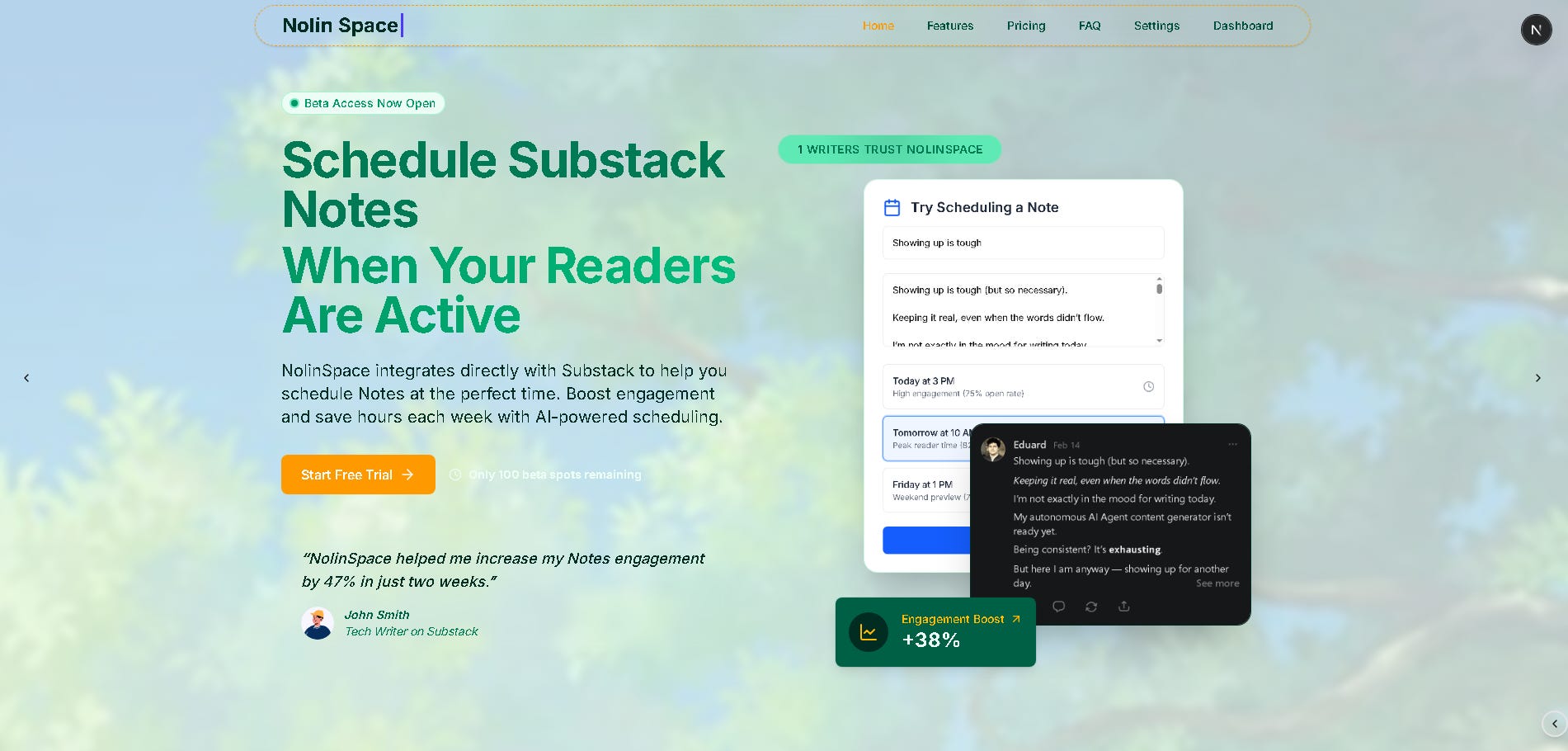
🔧 Substack Connection system: 90% complete
🔄 LinkedIn integration: connection is Live (posting functionality coming soon)
🔜 Next up: Building a universal content schema that lets creators publish or schedule in more places with a single click (the real dream!)
The hard truth I've learned: Security isn't about ideological purity—it's about making intelligent trade-offs that protect users without crippling functionality.
Building something similar? Drop a comment—I'd love to exchange battle stories.